
Introduction
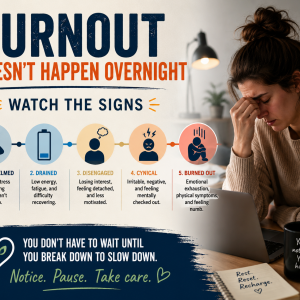
Many employees enter the workplace hoping to build close relationships with their managers, and while having a good relationship with your boss is important, it’s equally important to understand professional boundaries. Your boss can support you, mentor you, and even care about your growth — but at the end of the day, their role is still tied to business decisions. Understanding this can help employees avoid disappointment, workplace misunderstandings, and emotional burnout.
1. Your Boss’s Main Responsibility Is the Company
No matter how friendly your boss may seem, their primary responsibility is to protect the company’s goals, performance, and productivity. Decisions about promotions, restructuring, discipline, or layoffs are often business-driven, not personal. Employees who understand this are less likely to take workplace decisions emotionally and more likely to focus on their own professional growth.
2. Professional Boundaries Protect Both Sides
Being too emotionally attached to a boss can blur boundaries. Oversharing personal struggles, expecting favoritism, or relying too heavily on emotional support can create awkward workplace dynamics. Healthy professional boundaries encourage mutual respect, clearer communication, and a more balanced work environment where everyone understands their roles.
3. Friendly Does Not Always Mean Friendship
A boss can be approachable, kind, supportive, and still not be your personal friend. Many managers create positive relationships to build strong teams and maintain good morale. However, employees should understand that workplace friendliness does not remove accountability, performance expectations, or organizational hierarchy.
4. Workplace Decisions Can Change Quickly
In business, situations change fast. A boss who praises your work today may still have to make difficult decisions tomorrow based on company policies or management pressure. Employees who separate emotions from professionalism tend to handle workplace changes more maturely and recover faster from disappointments.
5. Focus on Respect, Not Emotional Validation
The healthiest employee-manager relationships are built on respect, trust, communication, and professionalism — not emotional dependency. Instead of seeking friendship from your boss, focus on building credibility, improving your skills, and maintaining a strong reputation at work. Professional respect often lasts longer and benefits your career more.
Conclusion
Understanding that your boss is not necessarily your friend is not negative — it’s realistic and healthy. Workplace relationships work best when there is mutual respect, professionalism, and clear boundaries. Employees who understand this often navigate office politics better, protect their mental well-being, and grow more confidently in their careers.
Follow the Padyem TalentLab channel on WhatsApp for more updates and learning opportunities http://Follow the Padyem TalentLab channel on WhatsApp for more updates and learning opportunities:https://whatsapp.com/channel/0029VbCnUvKLCoX0Xy7dDI1C