
Introduction
“Stay positive.”
“Be grateful you even have a job.”
“Don’t complain, others have it worse.”
At first, these statements sound encouraging. But when positivity is forced in every situation — even during stress, burnout, unfair treatment, or emotional exhaustion — it becomes toxic positivity.
In many workplaces today, employees are expected to smile through pressure, hide frustration, and act “fine” even when they’re mentally drained. The result? Silent burnout, emotional disconnection, and unhealthy work environments disguised as “good vibes only.”
Here are five powerful ways toxic positivity quietly damages employees and workplace culture.
1. Employees Stop Expressing Real Concerns
When workers feel every complaint is dismissed with phrases like “just stay positive,” they eventually stop speaking up.
This creates a dangerous workplace culture where:
- Problems remain unsolved
- Employees feel unheard
- Mental stress builds silently
- Communication becomes fake and surface-level
A healthy workplace should encourage honesty, not emotional suppression. Employees should feel safe discussing workload stress, unfair treatment, or exhaustion without being labeled “negative.
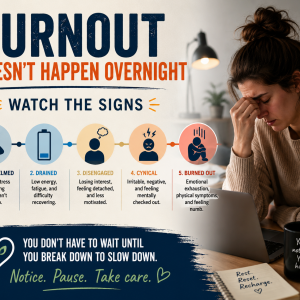
2. Burnout Gets Ignored Instead of Addressed
Toxic positivity often hides burnout instead of solving it.
An exhausted employee may hear:
- “You’re strong, keep pushing.”
- “Winners don’t quit.”
- “You got this!”
While motivation matters, constant pressure to “push through” can prevent employees from resting or asking for help.
Over time, this leads to:
- Reduced productivity
- Emotional fatigue
- Anxiety and frustration
- High employee turnover
Real support means recognizing when someone needs help — not just motivational quotes.
3. It Creates Fake Workplace Culture
Some organizations promote happiness so aggressively that employees feel pressured to perform emotions instead of being genuine.
You’ll notice things like:
- Forced excitement during stressful periods
- Fear of appearing unhappy
- Pretending everything is perfect online
- Employees hiding dissatisfaction to “fit in”
A workplace shouldn’t feel like a stage performance. Authenticity builds stronger teams than forced positivity ever will.
4. Employees Feel Guilty for Having Human Emotions
No one can be positive every single day.
Workers deal with:
- Family pressure
- Financial stress
- Mental exhaustion
- Personal challenges
- Career uncertainty
Toxic positivity makes employees feel guilty for experiencing normal emotions like stress, sadness, or frustration.
Instead of saying:
“You’re overthinking.”
Healthy workplaces say:
“How can we support you?”
That small difference changes everything.
5. It Damages Trust Between Leaders and Employees
Employees trust leaders who acknowledge reality — not those who ignore it.
When management constantly avoids difficult conversations by using positivity as a shield, employees may begin to feel:
- Disconnected
- Unappreciated
- Emotionally unsafe
- Less loyal to the company
Strong leadership is not about pretending everything is perfect. It’s about balancing optimism with empathy, honesty, and action.
Conclusion
Positivity itself is not the problem. In fact, encouragement and optimism can inspire teams during difficult times.
The problem begins when positivity replaces empathy, honesty, and emotional support.
A truly healthy workplace allows employees to:
- Speak openly
- Feel heard
- Admit struggles
- Ask for help without fear
Because sometimes, the most supportive thing you can say at work is not:
“Just stay positive.”
But:
“I understand. Let’s figure this out together.