
Introduction
In today’s highly competitive job market, standing out is no longer optional — it is necessary. Employers now receive hundreds of applications for a single role, making it harder for candidates to capture attention quickly. This has created an important question among job seekers: What actually gets you hired faster — a strong CV or an impressive portfolio?
For years, the traditional CV has been the standard tool for job applications. It summarizes your education, skills, experience, and achievements in a professional format. However, with industries becoming more skill-driven and visually oriented, portfolios are gaining serious attention because they provide proof of work instead of just descriptions.
The reality is that both tools serve different purposes, and understanding how they work can significantly improve your chances of landing interviews faster. While some employers still prioritize CVs during screening, many recruiters now want to see practical evidence of your abilities before making hiring decisions.
Whether you are a designer, writer, marketer, developer, photographer, or even a corporate professional, knowing when to use a CV, a portfolio, or both can position you ahead of other applicants competing for the same opportunity.
In this article, we will break down the differences between a portfolio and a CV, explore which one employers pay more attention to, and help you understand how to use both strategically to increase your hiring chances.
1. A CV Tells Employers Who You Are
A CV (Curriculum Vitae) is usually the first document recruiters request during a job application. It provides a structured summary of:
- Your work experience
- Educational background
- Certifications
- Skills
- Career achievements
Recruiters often spend only a few seconds scanning a CV before deciding whether to continue reviewing a candidate. This means your CV must be clear, professional, and tailored to the role you are applying for.
A strong CV helps you:
- Pass initial screening stages
- Present your qualifications quickly
- Show professionalism and organization
- Highlight your career progression
Without a good CV, many candidates may never even reach the interview stage.
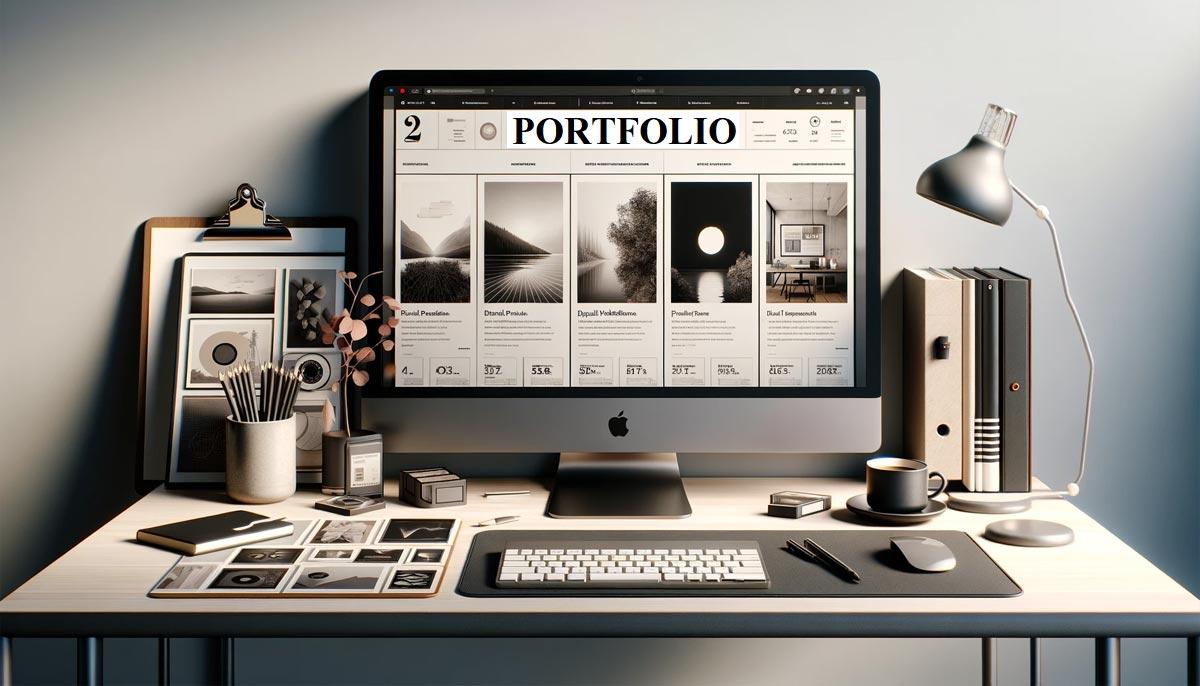
2. A Portfolio Shows Proof of Your Skills
Unlike a CV, a portfolio provides visual or practical evidence of what you can actually do. Instead of simply saying you are skilled, it demonstrates your abilities through:
- Projects
- Designs
- Writing samples
- Case studies
- Campaigns
- Videos
- Presentations
- Website links
Employers increasingly value portfolios because they reduce uncertainty. Seeing real work builds trust faster than reading claims on a CV alone.
A portfolio is especially powerful for:
- Designers
- Developers
- Writers
- Photographers
- Video editors
- Marketers
- Creatives
- Freelancers
In skill-based industries, portfolios can often become the deciding factor between two equally qualified candidates.
3. Which One Gets You Hired Faster Depends on the Industry
Different industries prioritize different things. In traditional corporate roles such as administration, finance, HR, or law, recruiters still rely heavily on CVs during hiring decisions.
However, in creative and digital industries, portfolios are becoming more influential because employers want immediate proof of skill and creativity.
For example:
- A graphic designer without a portfolio may struggle to get hired.
- A finance officer may not need a visual portfolio but requires a strong CV.
- A content creator may need both equally.
Understanding industry expectations helps candidates prepare smarter applications instead of relying on only one approach.
4. Combining Both Gives You a Competitive Advantage
The smartest strategy for modern job seekers is not choosing one over the other — it is combining both effectively.
A strong CV opens the door.
A strong portfolio keeps the employer interested.
When used together:
- Your CV explains your experience.
- Your portfolio proves your capabilities.
- Employers gain confidence in your skills faster.
- You appear more professional and prepared.
Candidates who combine both often stand out because they communicate credibility, effort, and confidence simultaneously.
5. Personal Branding Matters More Than Ever
Today’s hiring process is no longer just about qualifications alone. Employers also pay attention to how candidates present themselves online and professionally.
A polished LinkedIn profile, personal website, or digital portfolio can strengthen your personal brand and make recruiters remember you.
Modern employers look for:
- Confidence
- Creativity
- Communication skills
- Professional presentation
- Evidence of results
Building a strong professional identity online can increase visibility and create more career opportunities beyond traditional applications.
Conclusion
So, which gets you hired faster — a portfolio or a CV?
The answer depends on your industry, career level, and the type of role you are applying for. A CV remains essential because it introduces your professional background and qualifications. However, a portfolio adds powerful proof that can instantly build employer trust and showcase your real abilities.
In today’s competitive hiring environment, relying on only one may limit your opportunities. The best candidates understand how to use both strategically to create a stronger professional presence.
If you want to stand out faster, think beyond just listing your skills — show employers what you are capable of achieving. A great CV may get you noticed, but a compelling portfolio can make you unforgettable.
Follow the Padyem TalentLab channel on WhatsApp for more updates and learning opportunitieshttp://Follow the Padyem TalentLab channel on WhatsApp for more updates and learning opportunities:https://whatsapp.com/channel/0029VbCnUvKLCoX0Xy7dDI1C